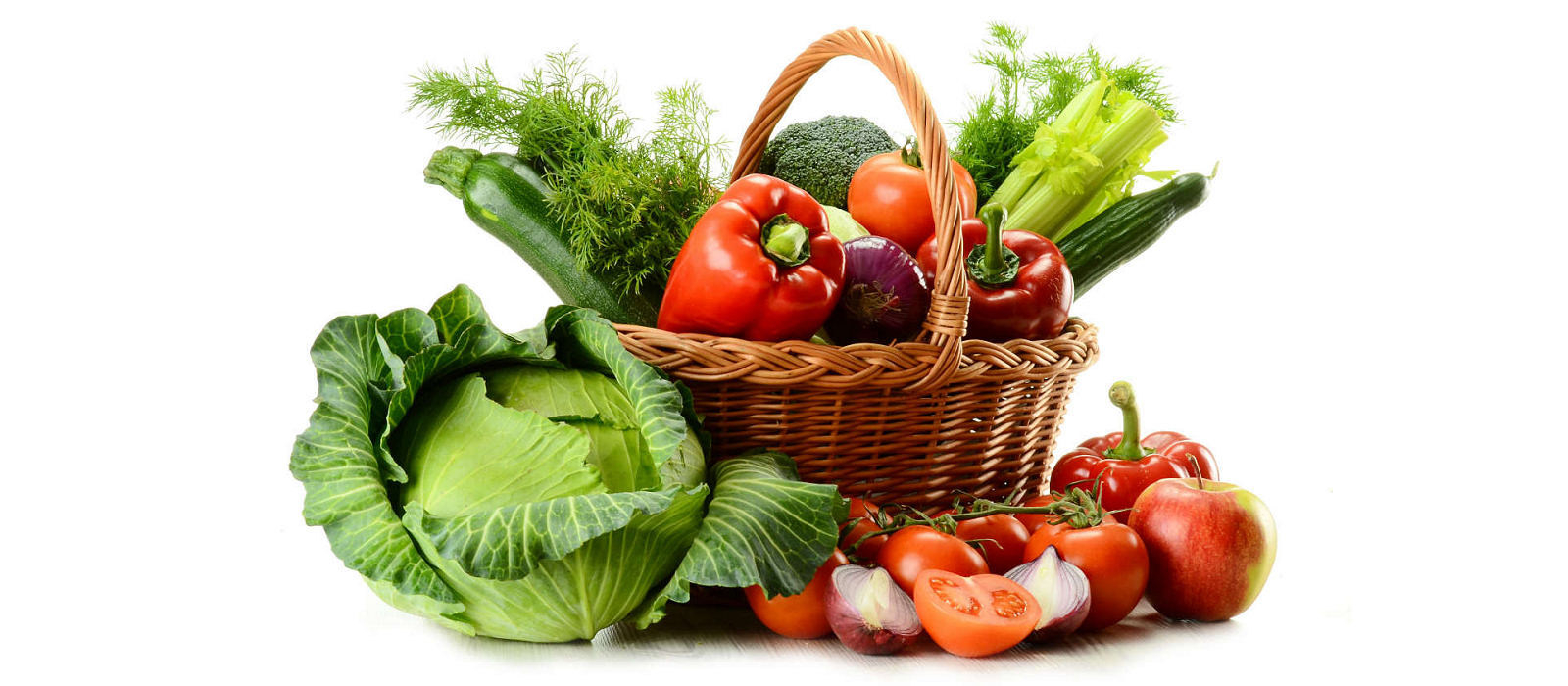
Easily grown vegetables & herbs, a growing guide
what to grow
. . .and when to pick!
The produce below is divided into 'groups' (roots & tubers, leafy green veg, pulses etc. ). These groups are purely intuitive and not organised strictly according to their taxonomy; Cabbages and Sprouts, for example, although both belonging to the genus Brassicaceae (Brassicas ), are listed here under 'leafy green vegetables'.
Although there are many more species in each group, individual items have been selected for their nutritional value, ease of cultivation, productivity. . . and compatibility with our Welsh climate of course!
Below each group you'll find pop-up guides with tips on when to sow, plant and harvest. . . illustrated in the following growing diary.
[ Click to open your growing diary. . . ]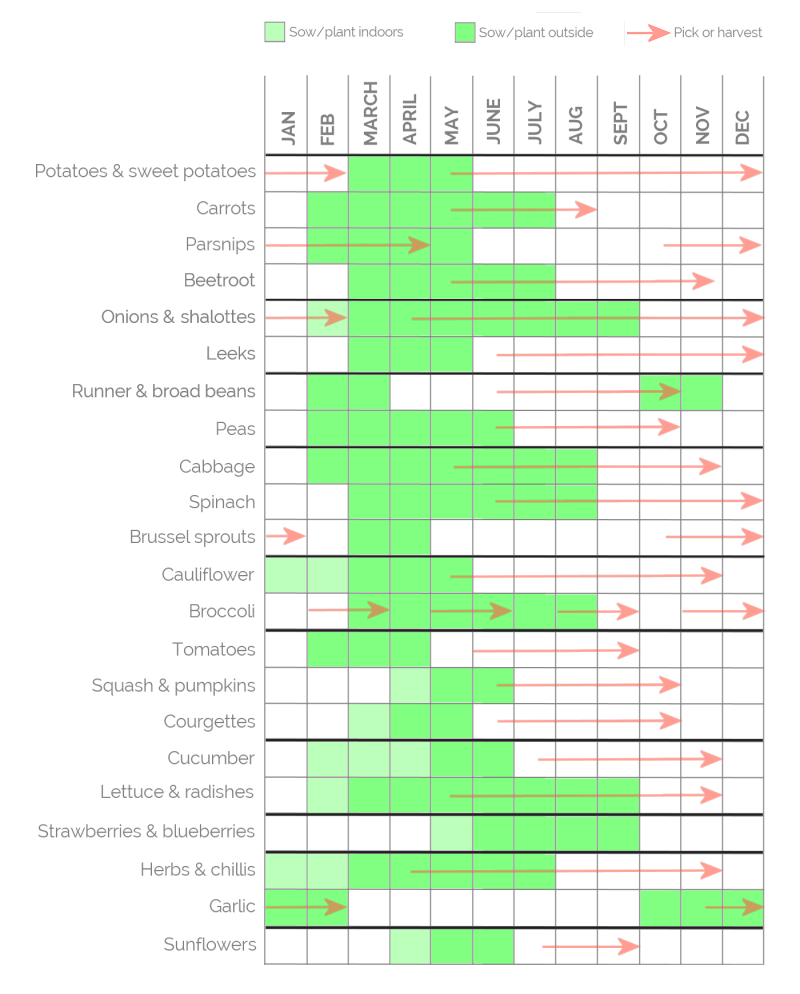
Whilst most vegetables are sown in the spring months, they can be planted in stages to ensure an extended supply and, if you're propogating indoors (on a windowsill or unheated greenhouse, for example ) planting out can be delayed still further.
Also; remember to take your local climate into account. . . our frost-free growing season is longer close to the coast!
CLICK HERE TO CLOSE THIS INFO
root vegetables
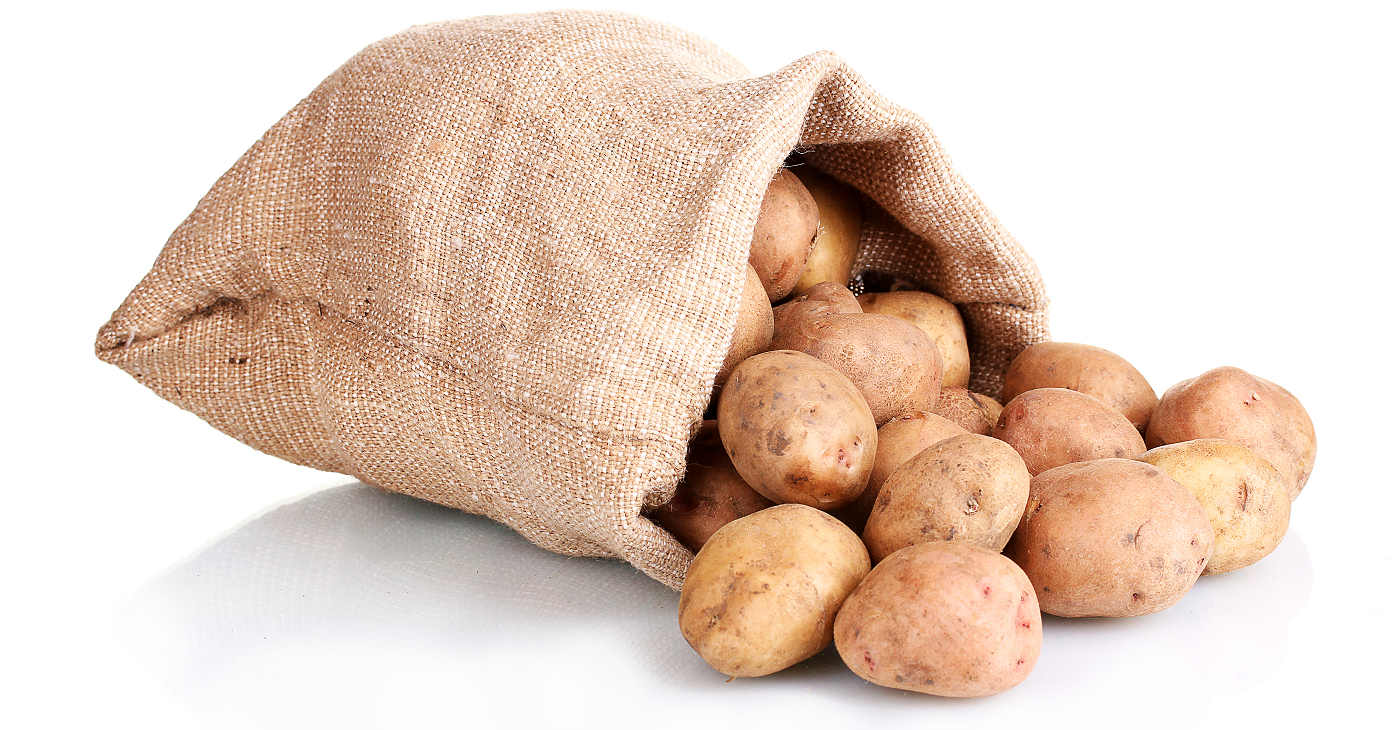
Potatoes, Carrots, Parsnips, Swede & Beetroot Because roots and tubers are used by the plants to store energy, they are starchy and high in carbohydrates. . . and dense in essential minerals, vitamins and other micronutrients. They are also high in dietary fiber. . . which helps to satisfy hunger and regulate blood sugar.
[ Nutrition guide... ]Potatoes
Carrots
Parsnips
Swede
Beetroot
CLICK TO CLOSE THIS BONUS INFO
jbjhj
[ Click here for growing tips. . . ]Potatoes: First early Potatoes can be planted from mid-March, whilst second earlies should be planted a couple of weeks later. Maincrop Potatoes are usually planted in April. . . and need to stay in the ground longer to produce a good crop.
Carrots: Whilst the main outdoor sowing season is from April to early July (check the seed packet to see if have an early or maincrop variety ), earlies can be sown in February or March under cloches or covered with fleece. Sow seeds thinly, 1cm deep, in rows 15–30cm apart. Carrots are ready about 12–16 weeks after sowing, and if you make repeated sowings you can enjoy fresh Carrots almost all year round.
Parsnips: They should be sown direct into their growing position in spring for an autumn or winter crop and need little maintenance other than weeding when young and watering in dry spells. . . plus, Parsnips can be left in the ground until you’re ready to eat them.
Swede: iuhi ujuiuhiuhiu h
Beetroot: Very easy to grow from seed, sow small batches of Beetroot regularly from spring through to mid-summer for continuous harvests through to mid-autumn. Being a cool-season crop, Beetroot grows best in the milder weather of spring and autumn, in temperatures of around 16°C.
CLICK OR TAP TO CLOSE THIS INFO
edible alliums
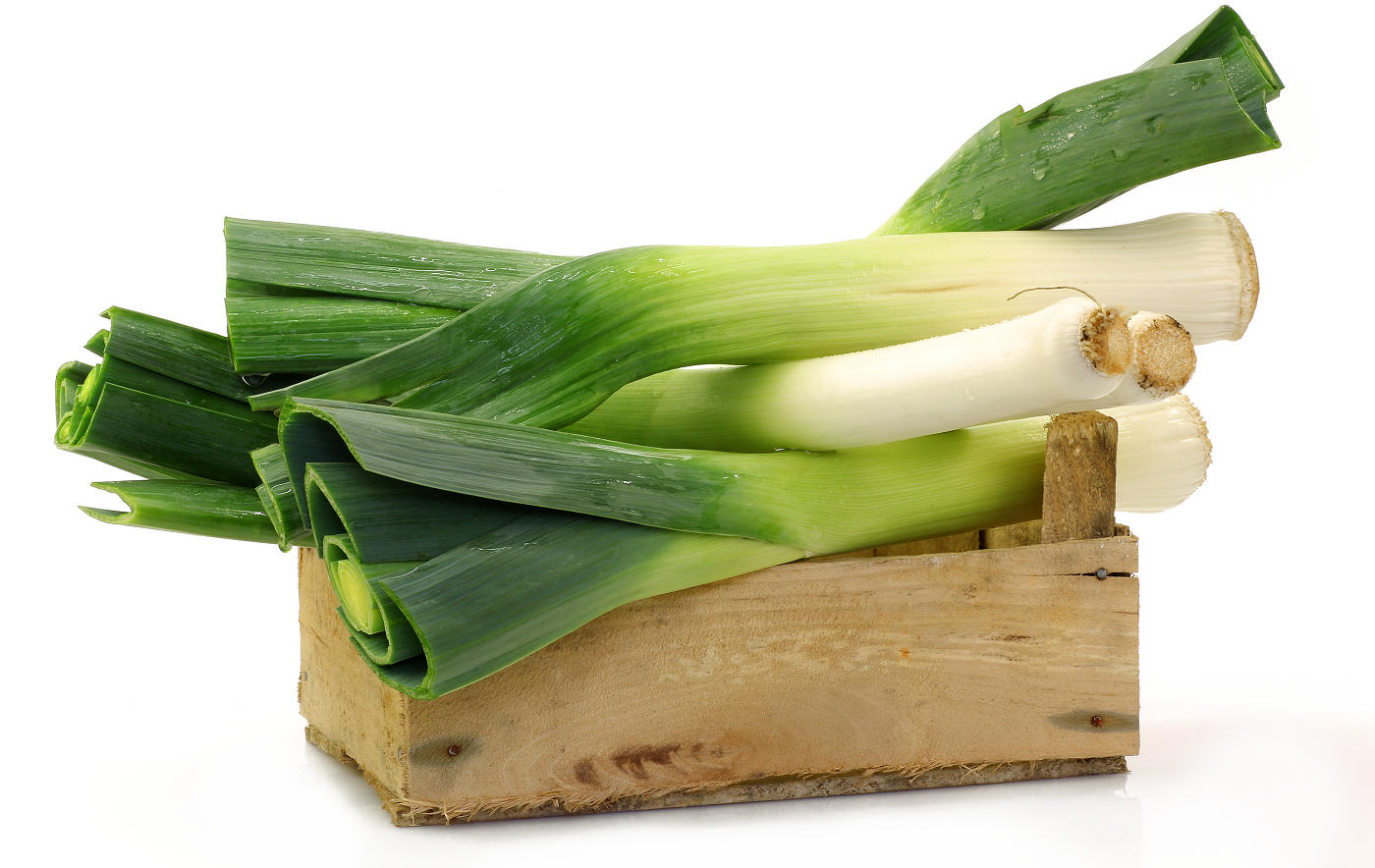
Onions, Shallots, Leeks and Scallions etc. Lorem ipsum dolor sit amet, consectetuer adipiscing elit, sed diam nonummy nibh euismod tincidunt ut laoreet dolore magna aliquam erat volutpat. Ut wisi enim ad minim veniam, quis nostrud exerci tation ullamcorper suscipit lobortis nisl ut aliquip ex ea commodo consequat. Duis autem vel eum iriure dolor in hendrerit in vulputate velit esse molestie consequat.
[ Nutrition guide... ]Onions
Shallots
Leeks
Scallions
TAP HERE TO CLOSE THIS INFO
pkpokpo
[ Click here for growing tips. . . ]Onions: . . .can be grown from seed, but it's much easier and quicker to grow them from immature, small Onions called 'Sets'. Plant these in autumn or spring, 10-15cm apart in well-prepared, moisture-retentive soil in full sun and keep the area weed free, watering in dry periods. Harvest the Onions when they're big enough to eat, or once the foliage has turned brown and started to wither.
Leeks: Sow seed in pots or trays of peat-free multi-purpose compost in spring. Keep pots moist and plant out in summer, either individually or in small clumps. You can harvest Leeks from autumn, whilst hardy varieties can be picked right through to spring.
Spring Onions: Also known as Scallions or 'salad' onions, these are quick and easy to grow. They don't need a lot of space or much soil, so they are perfect for growing in smaller spaces or containers. With varieties that can be grown throughout the winter months, Spring Onions have a long cropping season too.
Shallots: Whilst Onions produce just one bulb per planted 'Set', the much smaller shallots commonly produce as many as a dozen bulbs from each. They do, however, require light, well prepared and drained soil with ample organic matter, so if your soil is very heavy and wet you'll be better off growing Shallots in raised beds or containers. Plant out in autumn (or winter if protected from frost ), with only the elongated tip of the Shallot left poking above the soil.
CLICK OR TAP TO CLOSE THIS INFO
pulses & legumes
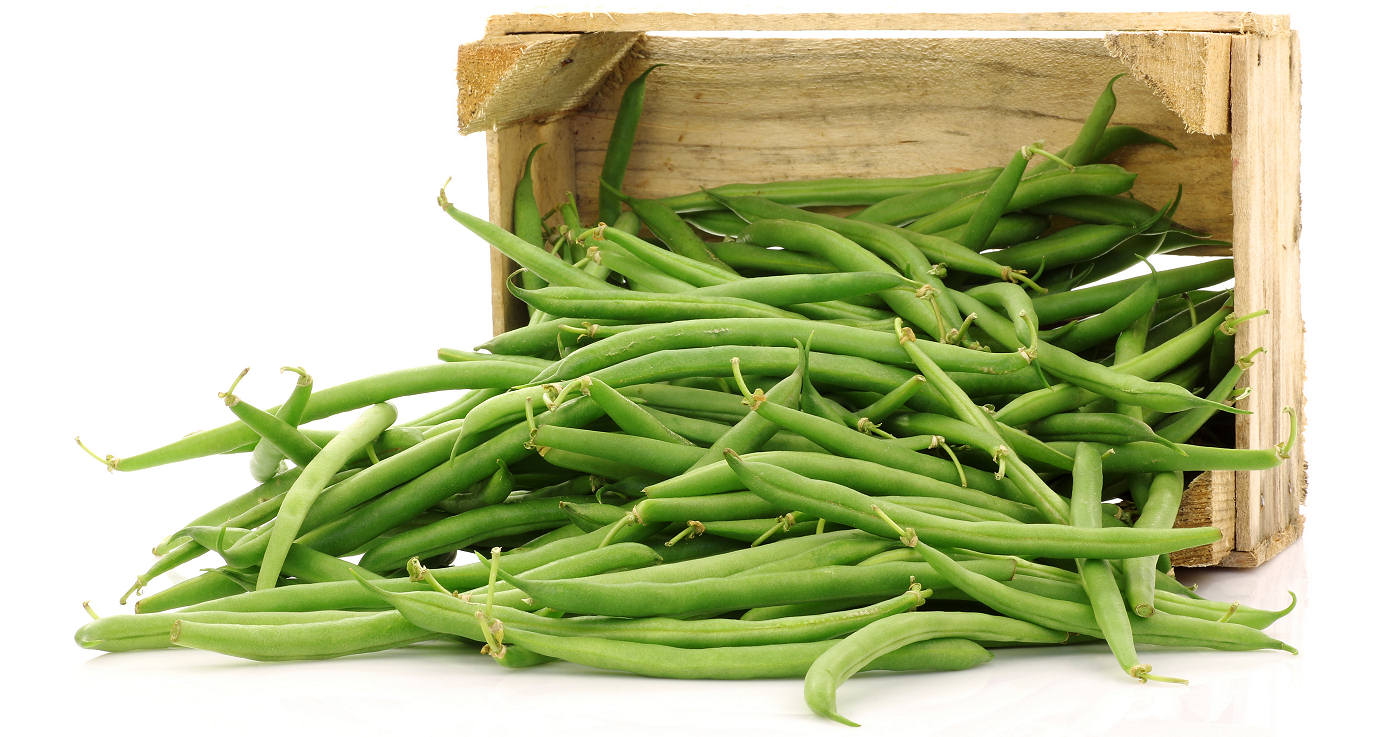
Runner Beans, Broad Beans & Peas. To clarify; 'Legume' refers to any of the Fabaceae family of plants, including their leaves, stems and seed pods, whilst 'Pulses' are the edible seeds within the pods. Because they are high in protein and fibre, low in fat and easy to grow (even in containers ), Pulses are an idea addition to your garden.
They are good for the environment too. . . Legumes don’t need much water, and even improve the soil for other crops.
[ Nutrition guide... ]Runner beans
Broad beans
Peas
CLICK OR TAP HERE TO CLOSE THIS INFO
iyui
[ Click here for growing tips. . . ]Broad beans: Sow in spring (Feb to April ) at a depth of 5cm, spacing the beans 20cm apart in staggered or zigzag rows so that the plants can help to support one another as they grow. It's a good idea to use canes or string to avoid the plants flopping over when they are heavily in crop.
Runner beans: These are tender plants that won't survive frost so, for an early crop, sow seeds indoors in late spring. . . only planting out once the last frost has passed. Seeds can be sow outdoors from early to mid-summer, or you can buy young plants ready for planting out.
Peas: If you sow your Peas in spring, they will be ready to harvest from June to October. You will know when they are ready as the pods will appear full and you will be able to feel the mature Peas inside. To encourage continuous growth, pick the pods regularly. . . but be sure not to harm the plant as you harvest.
CLICK OR TAP TO CLOSE
leafy green vegetables
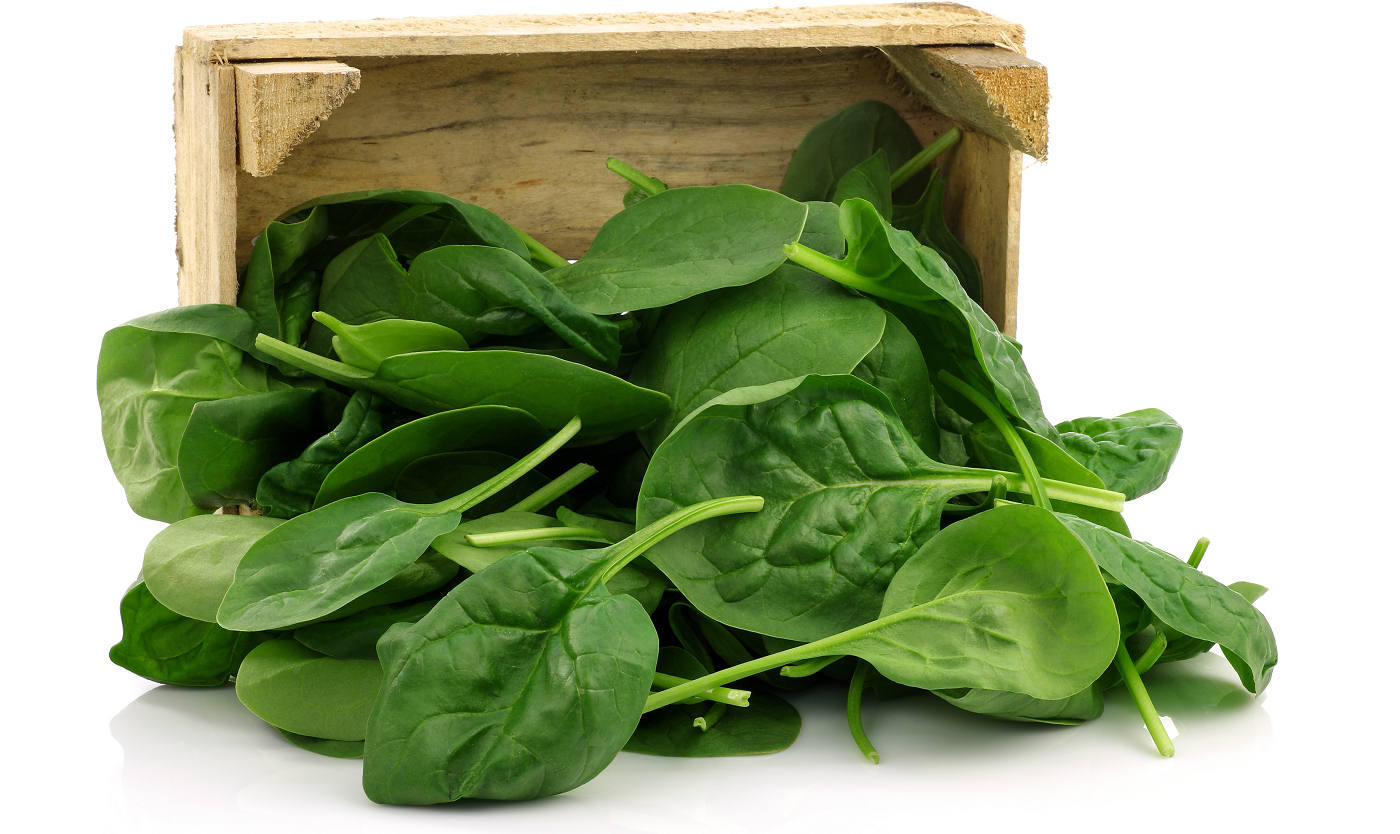
Cabbage, Spinach, Brussels Sprouts etc. Cabbages are generally grouped according to harvesting season, although some varieties overlap. If you sow small batches of each type, you can have harvests all year round. All types are grown in the same way, but with different sowing and harvesting times.
[ Nutrition guide... ]Cabbage
Spinach
Brussels sprouts
CLICK OR TAP HERE TO CLOSE THIS INFO
yhuy
[ Click here for growing tips. . . ]Cabbages: Pick young as loose 'Spring Greens' or leave to mature and form heads from mid-spring to late summer. Summer Cabbages are available in many shapes and sizes, to suit all sites. Sow from late winter to mid-spring and harvest in mid- to late summer.
Spinach: Sow from early spring to the middle of June For a summer crop, planted 2.5cm apart in trenches 1cm deep, cover and water (new rows should be about 30cm apart ). For a constant supply, try sowing a new row every three weeks. . . or for leaves to pick over winter, sow Spinach in late summer and early autumn.
Brussel sprouts: If you choose staggered planting dates, Sprouts can be harvested for a long period from September to February. Sow indoors from mid March to early May and plant out 4 weeks later.
CLICK TO CLOSE THIS BONUS INFO
other brassicas
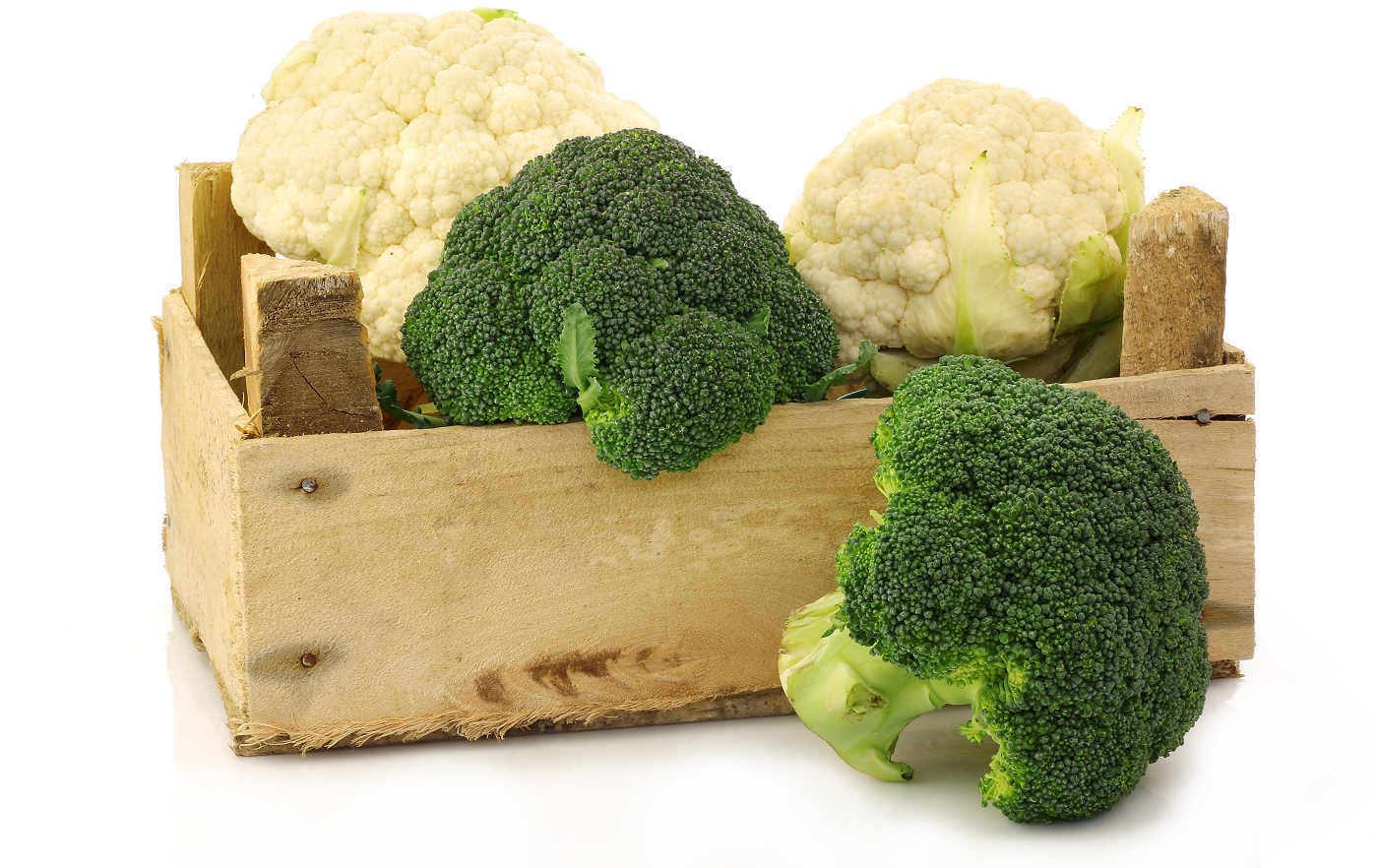
Cauliflower and Broccoli. Brassicas are among the most commonly cultivated vegetables in the world, and some of the most nutritious vegetables you can eat.
The Brassica oleracea family of vegetables contains hundreds of subspecies with a range of health benefits, like vitamin C, vitamin K, beta-carotene and glucosinolates. Brassica vegetables are also a great source of soluble fiber.
[ Nutrition guide... ]Cauliflower
Broccoli
CLICK TO CLOSE THIS INFO
iuuiyb
[ Click here for growing tips. . . ]Broccoli: Seeds can be sown indoors from March, or outdoors from April/May. Plants take four to ten months to start cropping, depending on sowing time and variety, and will then provide pickings for up to two months. . . so it's best to sow broccoli in small batches a month apart for regular harvests over a long season. As a guide, summer varieties crop much more quickly than winter varieties.
Cauliflower: Usually grown from seed on the same schedule as Brocolli, Cauliflowers like sun and fertile, moisture-retentive, well-firmed soil. Although they have a reputation for being tricky to grow, the key to success is to prevent any impediments to their growth, and keeping them consistently well watered at all times.
CLICK TO CLOSE THIS BONUS INFO
fruit vegetables
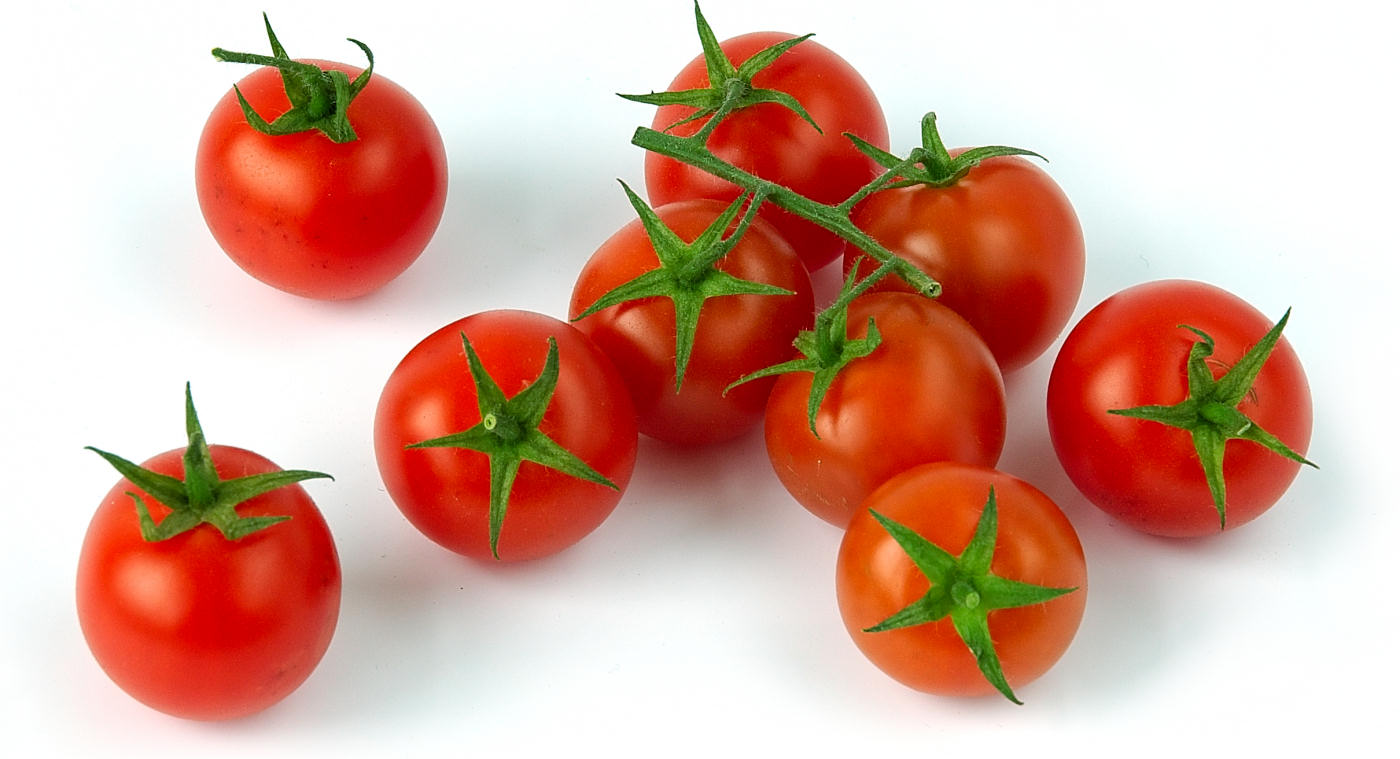
Tomatoes, Squash, Courgettes, Cucumbers & Bell Peppers are amongst the most popular home-grown food crops, and all can be very succesfully grown in containers. One or two plants are plenty because they can stay productive for weeks, providing you keep picking!
[ Nutrition guide... ]Tomatoes
Squash & Pumpkins
Courgettes
Cucumbers
Bell Peppers
CLICK TO CLOSE THIS INFO
yyt
[ Click here for growing tips. . . ]Tomatoes: Typically, Tomato harvesting season in the UK starts in July and lasts through September. Although it's usual to pick the fruits when they become red and have slightly softened, Tomatoes can also be plucked while they are still green.
Courgettes: Easy to grow from seed, Courgettes are usually sown indoors in spring for transplanting outdoors in early summer. Just one plant will provide you with a succession of tender fruits from mid-summer through into early autumn, producing around four fruits a week in good weather..
Cucumbers: You can start harvesting Cucumbers from around 12 weeks after sowing, in midsummer. . . and the more Cucumbers you pick, the more the plant will produce! Outdoor types will crop until September, while greenhouse types can fruit into October if it's warm.
Squash: Summer Squash can be harvested regularly from July onwards, like courgettes, while winter Squash and Pumpkins usually develop only a few, large fruit which should be left on the plant to mature well into Autumn.
CLICK OR TAP TO CLOSE THIS INFO
salad ingredients
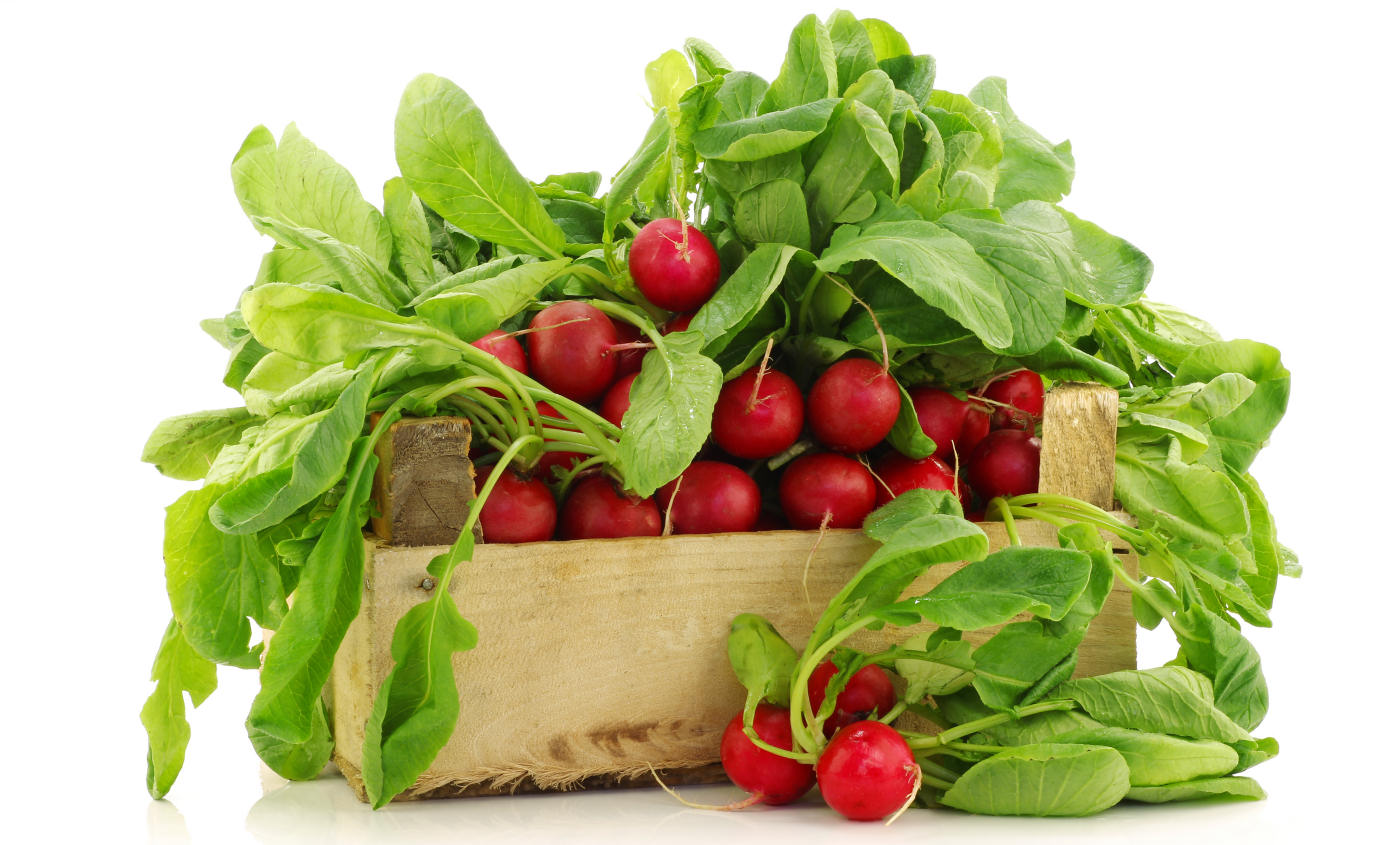
Lettuce, Radishes, Kale etc. Quick and easy to grow, salad leaves and ingredients include an array of lettuce varieties, plus rocket, radishes and mustard. They take up little space, are ideal for container growing, and can be picked repeatedly across the seasons.
[ Nutrition guide... ]Lettuce
Radishes
Kale
CLICK OR TAP HERE TO CLOSE THIS INFO
hwiuhioe
[ Click here for growing tips. . . ]Salad Leaves: You can sow most salad leaves (including Lettuce ) indoors in small pots from February onwards and seedlings should appear in only a few days. Move young plants outdoors from spring to late summer, into containers or the ground.
Lettuce: Most Lettuce varieties will be ready to pick 6 weeks after sowing and you can continue to pick a few leaves from the base of each plant for up to 3 months. 'Hearting' lettuce will need around 10 weeks to mature, and then will stand for a month or so, depending on local weather conditions.
Radishes: Radishes are incredibly easy to grow, as they tolerate most soil types and are quick to crop (usually within four weeks ). Sow seed on well-prepared soil and thin seedlings to 2.5cm, keeping the ground moist if conditions are dry. Harvest when the radishes are around 2cm in diameter. . . any larger and they can become woody.
TAP HERE TO CLOSE THIS INFO
soft fruit
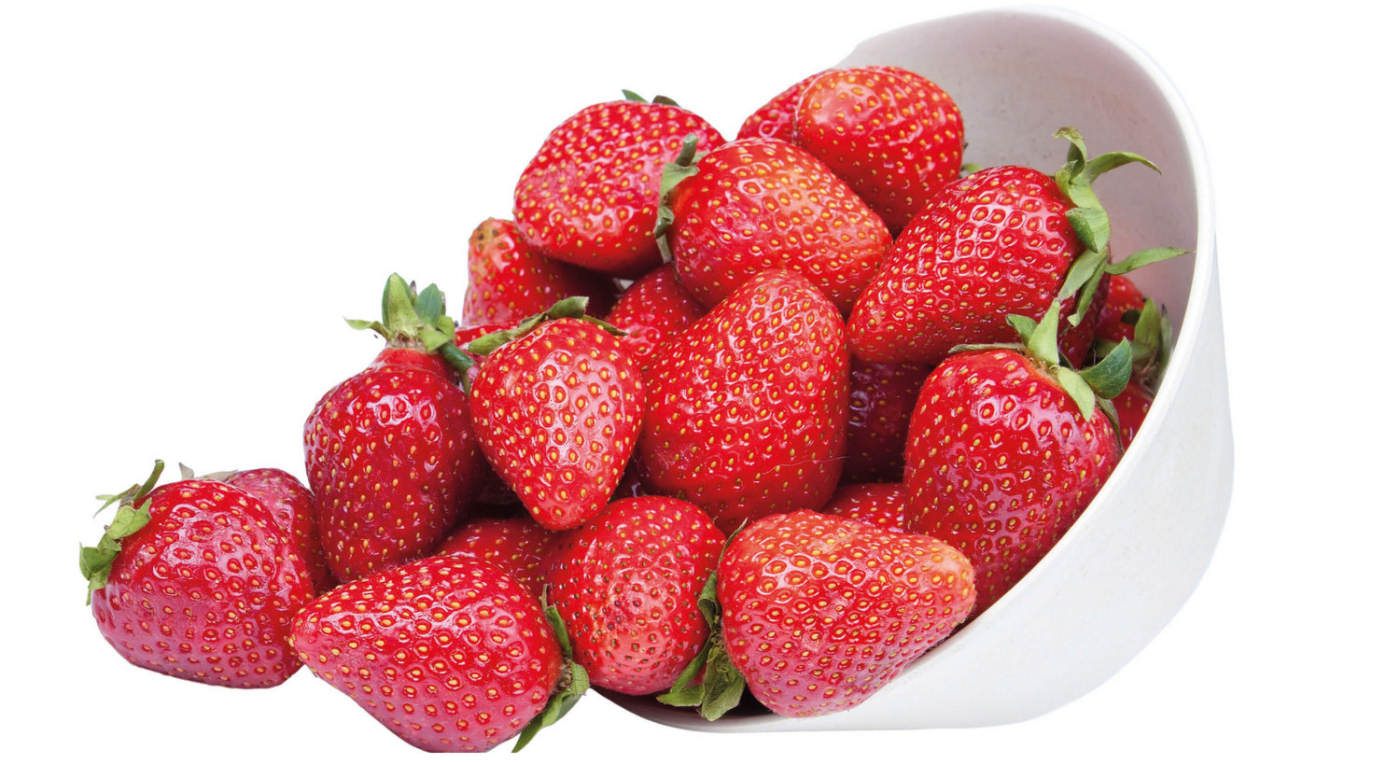
Strawberries, Blueberries & Blackcurrants. Most soft fruits are easy to grow in the UK, with very few special requirements. The primary consideration is protecting developing fruit from birds, so you may wish to consider covering with an anti-bird mesh.
[ Nutrition guide... ]Strawberries
Blueberries
Blackcurrants
CLICK TO CLOSE. . .
uuyt
[ Click here for growing tips. . . ]The following soft fruits are best planted in a sunny, sheltered site protected from cold and drying winds between October and early spring. Containerised plants can be planted at any time of the year, providing that the ground is not frozen or waterlogged.
Strawberries: Plant in mid-spring or in late summer, but no later than the first week of September in most of Wales. Planting in August still gives Strawberries enough time to become established before fruiting, so should produce a better crop.
Blueberries: Blueberries will settle in best when planted between autumn and spring, whilst they are dormant, although they can be planted at any time of year. . . except in hot, dry weather or into frozen ground. Berries ripen to a dusky blue from mid-summer onwards, but won't all ripen at the same time, so check plants and harvest regularly. A fully productive plant can produce 2Kg to 5Kg of Blueberries in a season!
Blackcurrants: When planting out, position blackcurrants deeply in the soil to encourage the production of vigorous new stems. Blackcurrants bear fruit in clusters between July and August and are ready for picking about a week after the fruits have turned blue-black. . . when they are ripe, but still firm.
CLICK OR TAP TO CLOSE THIS INFO
herbs & flavourings
Garlic, Chillis & Herbs. Most herbs are suitable for container cultivation both indoors and outdoors in a sheltered, sunny, spot. They can easily be sown from seed, but beware of the 'growing' herbs offered in supermarkets as they are usually brought on under glass and don't adapt well to life outdoors. . . but will prosper on window sills.
[ Nutrition guide... ]Garlic
Chillis
Herbs
CLICK TO CLOSE THIS INFO
oiioa7bui
[ Click here for growing tips. . . ]Garlic: This flavoursome staple is simple to grow from cloves, which are best planted during late autumn in a warm sunny site with well-drained soil, and will be ready to harvest the following summer.
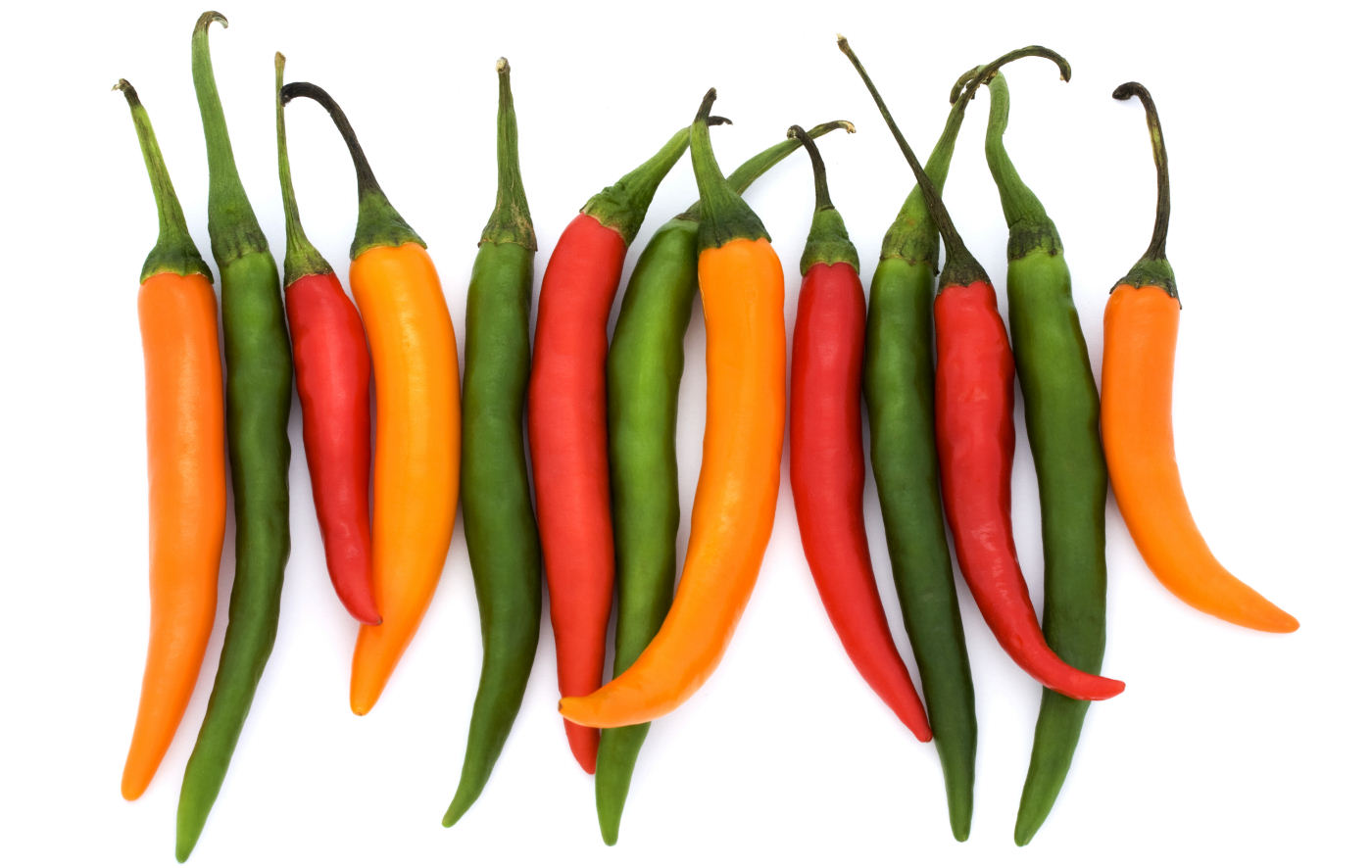
Chilli Peppers: These tender plants need a long growing season so should be sown from seed indoors from late winter to mid-spring. Chilli seeds germinate at around 21°C and the plants need direct sun to fruit so, in the absence of a heated greenhouse, a warm, south facing windowsill is a good option. . . especially for the more 'compact' varieties.
BEWARE! Chilli heat is measured in Scoville Heat Units (SHU ), with milder varieties such as 'Anaheim' rated at 500 - 2,500 SHU, 'Jalapenõ' at 2,500 - 8,000 SHU, the fiery 'Scotch Bonnet' up to 350,000 SHU and ‘Carolina Reaper’, one of the world’s hottest chillies, at 2.2 million!
Herbs: Perfect for growing in pots or containers, the most popular herbs cultivated in Wales include; Parsley, Sage, Rosemary, Thyme, Oregano (the 'pizza' herb ), Basil, Bay, Coriander & Chives. In all cases, use a gritty, well-drained compost with up to 25% of coarse grit added.
Most herbs will prosper in containers in a sunny place outside, ideally against a south-facing wall. However, many pot-grown herbs die out in winter. . . but can be harvested in autumn and frozen for use throughout the coldest months.
CLICK TO CLOSE THIS INFO
fungi & seeds
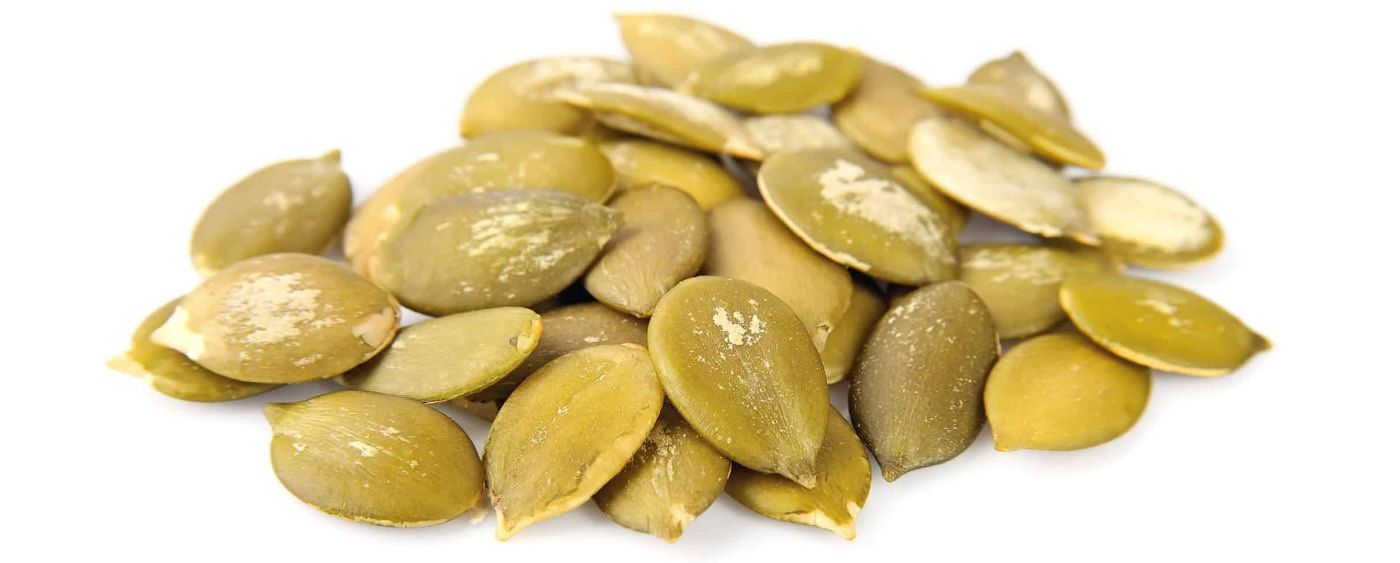
Pumpkin seeds, Sunflower seeds & Mushrooms. After harvesting, both Sunflower and Pumpkin seeds can be roasted in the oven or on the stove top. . . then added to salads, blending into seed butter, or simply salted and eaten as a snack.
[ Nutrition guide... ]Mushrooms
Pumpkin seeds
Sunflower seeds
CLICK OR TAP TO CLOSE THIS INFO
fiuhfiooms
[ Click here for growing tips. . . ]Pumpkin Seeds: Pumpkins can be sown directly into the ground in early May. . . or in containers from late March or April. Fill a 7.5 cm pot with peat-free compost, poke one seed down into the compost, cover with about 1 cm of compost and water well. The Pumpkins will ripen from July onwards and can be harvested for their seeds.
Sunflower Seeds: Sow seeds in pots from April and plant out a few weeks later (choose your variety carefully as some can reach up to 3m in height and will need the support of stakes or a trellis ). Water frequently and, when the Sunflower blooms start to turn brown, cut then off and hang them somewhere airy. . . then, once the seeds are dry, rub them together to loosen them.
Mushrooms: .
CLICK OR TAP TO CLOSE
see also...

Keeping hens. . .

Foraging for free food. . .

Fish & fishing. . .
SHORTCUT LINKS
HOME PAGE
GROWING SPACES
CULTIVATING TIPS
BEE KIND, TO BEES!
MEET & GREET
Join our Facebook Group for more useful tips, and connect with other keen amateur gardeners, or people with a growing space to share!

CONTACT US